Does Booking a Cosmetic Surgery Consultation Mean I Have to Say Yes?
You have been thinking about a change. Maybe you want to breathe more comfortably through your nose, feel more proportionate in clothing, look less tired, restore hair, or finally ask about a concern you have kept private. Then another thought stops you: If I book a consultation, will everyone expect me to have the procedure?
No. A consultation is a conversation and medical assessment—not a promise, reservation, or surgical consent. You can leave ready to proceed, decide to wait, explore another option, seek a second opinion, or choose no treatment at all.
Myth 1: “I Should Only Consult When I Am Ready to Book”
The truth: Consultation helps you decide whether you should book at all. It is where you learn what the procedure can change, what it cannot change, the likely scars and recovery, important risks, alternatives, and cost. Gathering that information early can prevent a rushed or poorly matched decision.
Myth 2: “I Will Be Pressured to Say Yes”
The truth: You should be able to think without pressure. At NDV MED, a recommendation may be surgery, a non-surgical treatment, more time, medical evaluation, or no treatment. A careful doctor should be willing to explain why a requested procedure may not be the safest or most useful choice.
Myth 3: “I Need to Know Exactly Which Procedure I Want”
The truth: You only need to describe what bothers you and what kind of change you hope to see. A heavy-looking eye area may involve the eyelid, brow, cheek, or several structures. A “round face” may come from fat, muscle, bone, skin, or camera distortion. Your NDV MED team connects the concern to the anatomy before naming a treatment.
Myth 4: “I Probably Am Not a Candidate, So There Is No Point”
The truth: Candidacy cannot be determined reliably from a selfie or social-media comment. Health, medications, nicotine use, anatomy, skin quality, healing history, goals, and the expected benefit all matter. Even if one procedure is unsuitable, consultation may reveal a safer option—or give you useful reassurance.
Myth 5: “My Questions Are Too Basic or Embarrassing”
The truth: Questions are part of informed consent. Ask what anesthesia feels like, where scars go, when you can work or exercise, who performs each part, what happens if healing is different from expected, and how complications are handled. If a topic feels private, say so; your team can slow down and explain it respectfully.
What Usually Happens During the Visit?
- Your goals: what you notice, how long it has concerned you, and the result you imagine.
- Your health: medical conditions, allergies, medicines, supplements, previous procedures, smoking or nicotine, and healing history.
- Anatomical assessment: examination, measurements, and photographs when clinically appropriate and consented to.
- Your options: suitable procedures, alternatives, limitations, and whether doing nothing is reasonable.
- The complete picture: expected result, risks, recovery, aftercare, and quotation.
How to Prepare Without Overthinking It
- Write down your three most important questions.
- Bring a complete medicine and supplement list.
- Bring reference photos only to explain a preference—not to request an exact copy.
- Know your available recovery time and support at home.
- Ask who will perform the procedure and where it will take place.
- Give yourself permission to decide later.
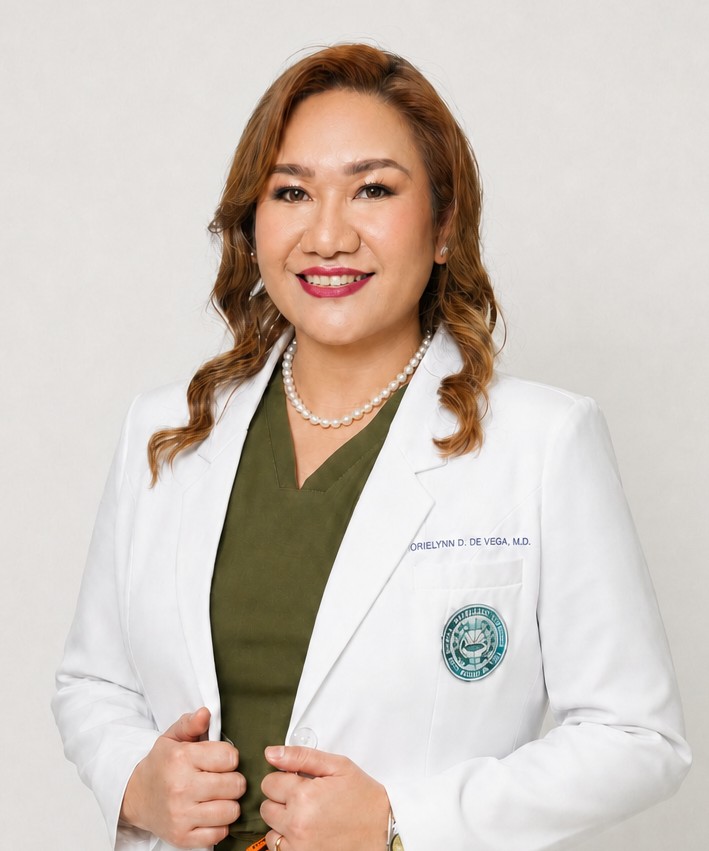
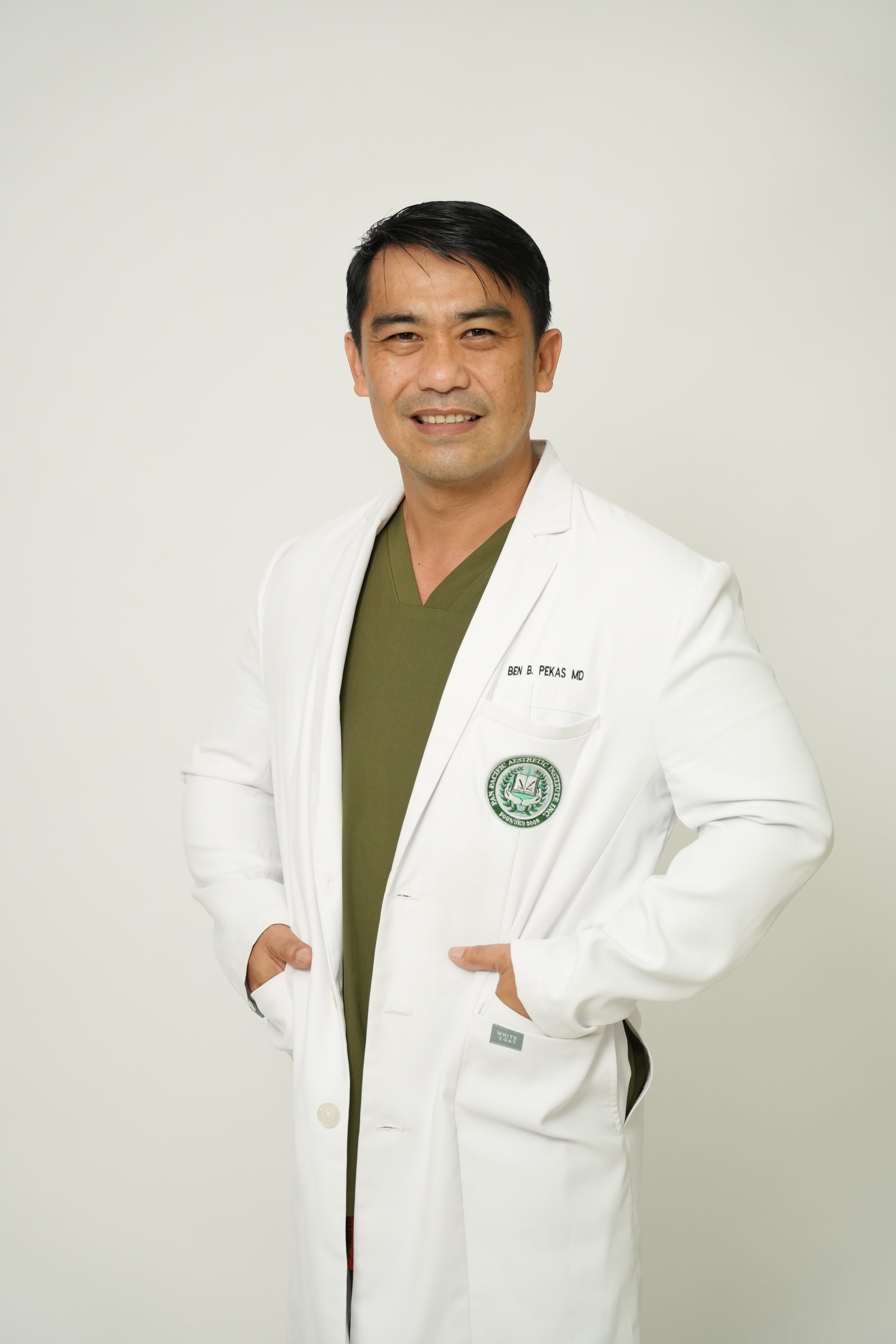
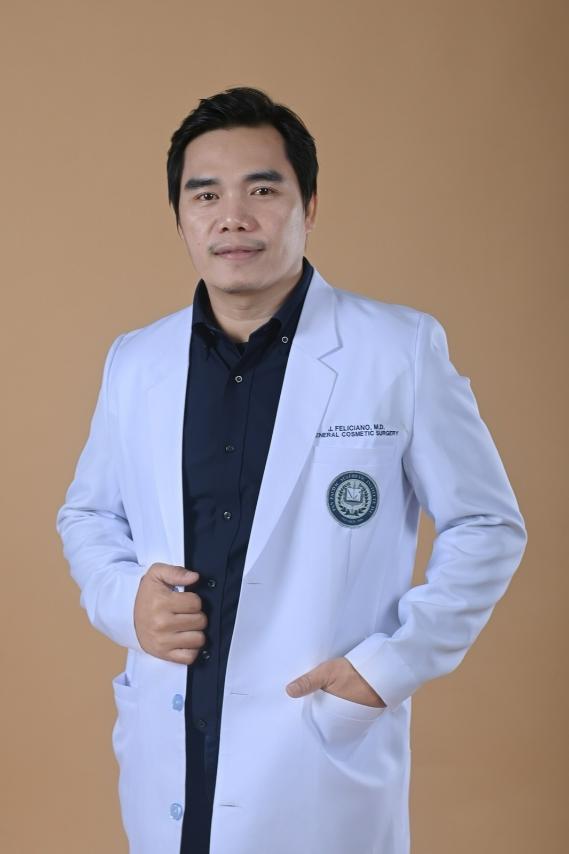
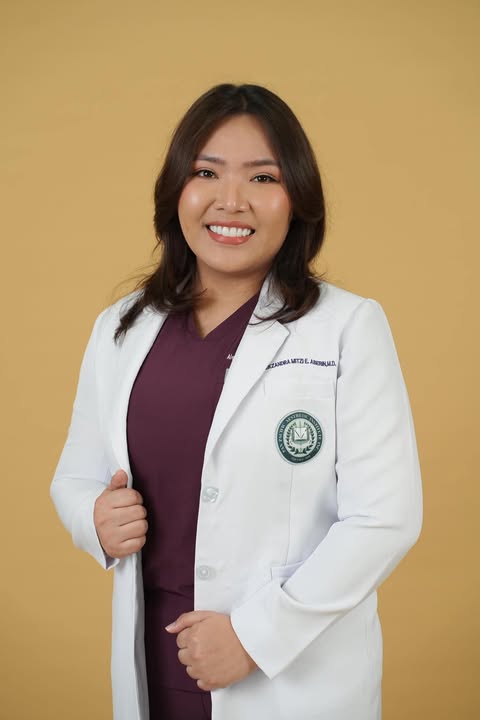
Meet the NDV MED Team
NDV MED brings together doctors with complementary experience in cosmetic surgery, aesthetic medicine, dermatology, hair restoration, regenerative medicine, general and family medicine, and weight management. The appropriate doctor and plan depend on your concern, anatomy, and health.


A Good Consultation Can End With “Not Yet”
Sometimes the best outcome is clarity. You may discover that the change is smaller than you imagined, the recovery does not fit your life right now, another treatment is more appropriate, or you feel comfortable leaving things as they are. That is not a failed consultation—it is an informed decision.
References
Start With a Conversation
You do not need to be certain. Tell your NDV MED team what you are considering, what worries you, and what you hope to understand. We will help you explore the options without treating curiosity as commitment.
Request an NDV MED Consultation ↗
This article provides general educational information and is not a diagnosis or a substitute for an in-person medical consultation. Suitability, outcomes, risks, and recovery vary between patients.